
Treatment
In Vitro Fertilization (IVF)
IVF, or In Vitro Fertilization, is the process of bringing together a sperm and an egg inside our IVF laboratory, and later placing the resulting embryo into the mother’s uterus. It’s also commonly known as the “test tube baby” procedure. IVF is usually recommended for blocked fallopian tubes, sperm-related issues in the male partner, or prolonged unexplained infertility.
Who Needs IVF?
- Women with blocked or damaged fallopian tubes — which make it difficult for sperm and egg to meet and fertilize naturally.
- Men with low sperm count or poor sperm motility — where the sperm cannot fertilize the egg without laboratory assistance.
- Couples with unexplained infertility — when pregnancy doesn’t occur despite every other factor appearing healthy.
- Women with premature ovarian failure — some women stop producing eggs at a younger age and may need a donor-egg programme to conceive.
- Women with uterine conditions — that make natural conception difficult.
How IVF Works
Every IVF cycle at our centre is personalised to you — your age, diagnosis, and treatment history all shape the exact plan your doctor recommends. Broadly, the journey moves through seven stages, from your first assessment to the point your embryo is ready for transfer (or safely frozen for later). Each stage is explained below.
Step by Step: The IVF Journey
1. Initial Assessment and Investigations
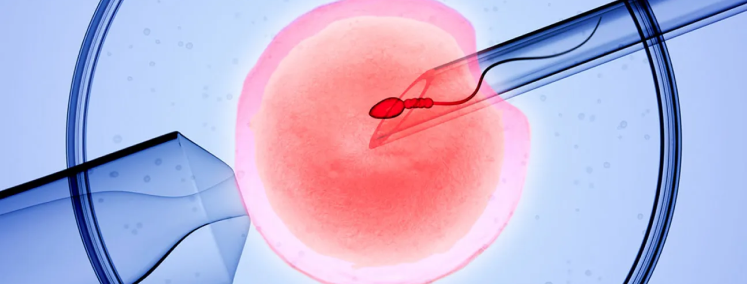
Your journey begins with a detailed review of both partners’ medical history, along with hormone blood tests and an ultrasound scan. This helps our team understand the underlying cause of infertility and decide the most suitable treatment plan for you — including whether IVF, ICSI, or another approach is the right starting point.
2. Ovarian Stimulation and Cycle Monitoring
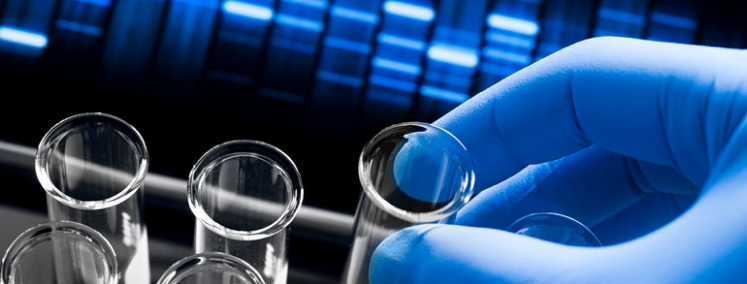
Instead of the single egg released in a natural cycle, fertility medication (given as daily injections) encourages the ovaries to develop multiple eggs in one cycle. Over roughly 8–14 days, you’ll visit for regular ultrasounds and blood tests so your doctor can track follicle growth and fine-tune your medication dose.

3. Egg Retrieval and Sperm Collection
Once the eggs are mature, they’re collected in a short procedure done under sedation, so discomfort is minimal. On the same day, a sperm sample is collected from the male partner — or, where required, retrieved surgically.

4. Fertilization (IVF or ICSI)
In our embryology lab, eggs and sperm are combined so fertilization can take place. Depending on sperm quality, our embryologists may use conventional IVF (where sperm and egg are placed together) or ICSI, where a single healthy sperm is injected directly into the egg — at no extra cost to you.
5. Embryo Development
Fertilized eggs are carefully cultured in our lab for the next few days, where embryologists monitor how each embryo grows and selects the healthiest ones for transfer.
6. Embryo Transfer
A thin catheter is used to gently place the selected embryo (or embryos) into the uterus — a quick, painless procedure that doesn’t need anaesthesia. A pregnancy test follows about two weeks later.
7. Embryo Cryopreservation (Embryo Freezing)
Any healthy embryos not used in the current cycle can be safely frozen for future use — giving you the option of a future pregnancy attempt without repeating the egg-collection process.
In Their Own Words
Understand IVF — Straight from Our Doctors
A short video explainer alongside the questions patients ask us most.
Video: Understanding In Vitro Fertilization (IVF) — Centre of IVF, SGRH
What is the difference between IVF and ICSI?
In standard IVF, sperm and egg are placed together in a dish and fertilize naturally. In ICSI, a single sperm is injected directly into the egg — usually recommended when sperm quality is low. Our team decides the right approach during your fertilization step.
How many IVF cycles does it usually take to conceive?
This varies widely by age, diagnosis, and individual response to treatment. Some patients conceive in their first cycle; others need more than one. Your doctor will give you a realistic, personalised expectation after reviewing your case.
Is IVF painful?
Most steps involve only mild discomfort. Egg retrieval is done under sedation, so patients feel little to no pain during the procedure itself. Embryo transfer is quick and doesn’t require anaesthesia.
How long does one IVF cycle take, start to finish?
A single cycle usually takes about four to six weeks — from the start of ovarian stimulation to the pregnancy test two weeks after embryo transfer.
What happens to embryos that aren’t used in the current cycle?
Healthy extra embryos can be safely frozen through cryopreservation, giving you the option of a future embryo transfer without repeating ovarian stimulation and egg retrieval.
Can IVF help if my previous cycle failed at another clinic?
Yes — we’re a dedicated referral centre for exactly this. Over half our patients arrive after an unsuccessful cycle elsewhere. Bring your previous treatment records so our team can review what happened and plan differently this time.
Is ICSI charged separately if I need it during my IVF cycle?
No. If our embryologists determine ICSI is needed for fertilization, it’s included as part of your IVF treatment at no additional cost.
At what age should I consider IVF instead of waiting longer?
Fertility naturally declines with age, particularly after 35. If you’ve been trying to conceive for over a year (or 6 months if you’re over 35) without success, it’s worth having a fertility assessment to understand your options, including IVF.
Get In Touch